Compare Salt Lake City and Park City real estate, lifestyle, commute, and price expectations to decide which Utah market best matches your relocation goals and budget.

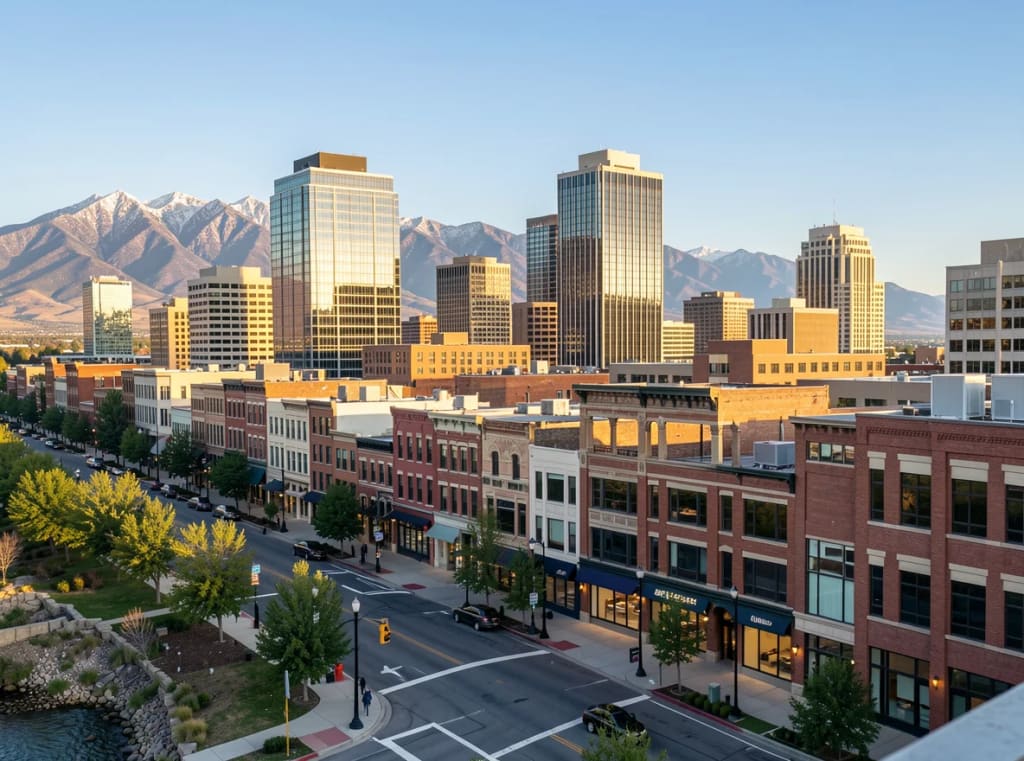
For relocators weighing Salt Lake City against Park City, Salt Lake City stands out for its mix of urban convenience, established neighborhoods, and direct access to the Wasatch foothills. Buyers can explore everything from historic brick bungalows and mid-century ranch homes to newer townhomes closer to downtown amenities, often with shorter commutes and a wider range of price points than a resort-driven market.
Beyond housing, the city offers a lifestyle that blends everyday practicality with outdoor access. Residents can spend a morning near City Creek, enjoy dining and shopping downtown, and still reach hiking, biking, or ski routes with relative ease. For sellers, that balance of community feel, wide streets, mature trees, and mountain views helps shape strong buyer interest. In the sections ahead, we’ll look at what makes Salt Lake City competitive, how its attractions compare with Park City, and what buyers and sellers should keep in mind.
For relocators comparing Salt Lake City with Park City, Salt Lake City stands out for buyers who want stronger day-to-day convenience, broader housing choice, and a lower entry point than a resort-driven market. Demand remains steady because the city combines established neighborhoods, downtown employment access, and immediate proximity to the Wasatch foothills. From historic brick bungalows and mid-century ranch homes to newer townhomes, the housing mix appeals to first-time buyers, move-up households, and investors looking for year-round rental demand tied to a larger metro economy.
Price growth has been supported by continued in-migration, limited inventory in desirable neighborhoods, and the area’s appeal to people who want mountain access without giving up urban amenities. Salt Lake City also benefits from regional job growth in healthcare, technology, education, and professional services, which helps sustain buyer activity beyond seasonal tourism. For investors, that creates a different profile than Park City: less tied to second-home and resort demand, and more connected to local employment and long-term residency. Add in wide tree-lined streets, neighborhood parks, farmers markets, and quick access to hiking, skiing, and downtown dining, and Salt Lake City offers a community atmosphere that feels both practical and highly livable.
For relocators comparing Salt Lake City with Park City, one of Salt Lake City’s biggest advantages is how many amenities are built into daily life. Temple Square anchors downtown with history, architecture, and a strong sense of place, while nearby City Creek Center adds shopping, dining, and walkable convenience that many buyers want close to home.
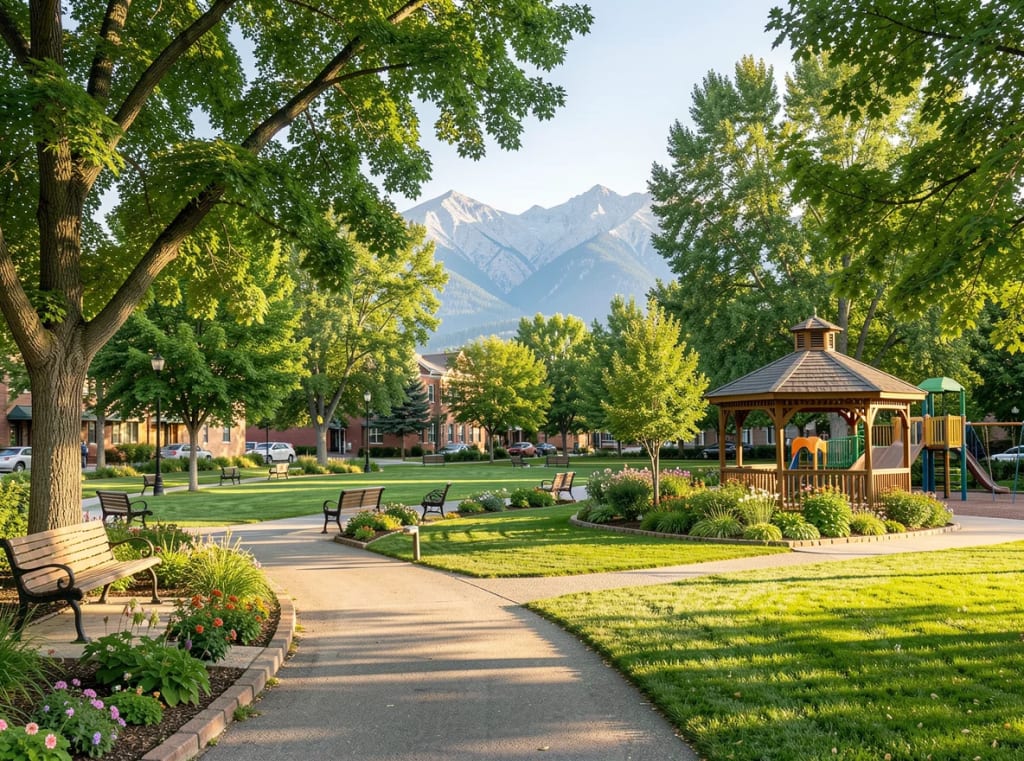
The city also delivers quick access to the Wasatch Mountains, so hiking, skiing, and canyon drives feel like part of a normal week instead of a special trip. Local parks across the valley create room for dog walks, playground time, pickup games, and neighborhood events, all with mountain views that reinforce Salt Lake City’s outdoor appeal. For buyers weighing lifestyle and budget, that mix of urban access and recreation can make Salt Lake City feel more practical and connected than a resort-oriented market.
If you are choosing between Salt Lake City and Park City, start by defining what daily life needs to look like. Salt Lake City often appeals to buyers who want shorter access to downtown jobs, a wider mix of historic brick bungalows, ranch homes, townhomes, and generally more price variety than Park City. In competitive pockets, it helps to review recent comparable sales, understand how quickly homes are moving, and decide in advance where you can be flexible on size, condition, or exact location.
Neighborhood fit matters just as much as price. Some buyers prioritize walkability, older housing stock, and proximity to restaurants or cultural amenities, while others want quieter residential streets with easier freeway access or a faster route to the foothills. Ask how commute times, winter driving, and future maintenance costs may differ from what you would face in Park City’s higher-elevation market. A knowledgeable local agent can help you compare not just list prices, but taxes, inventory, competition, and resale potential so you can make a decision that matches both your budget and your lifestyle.
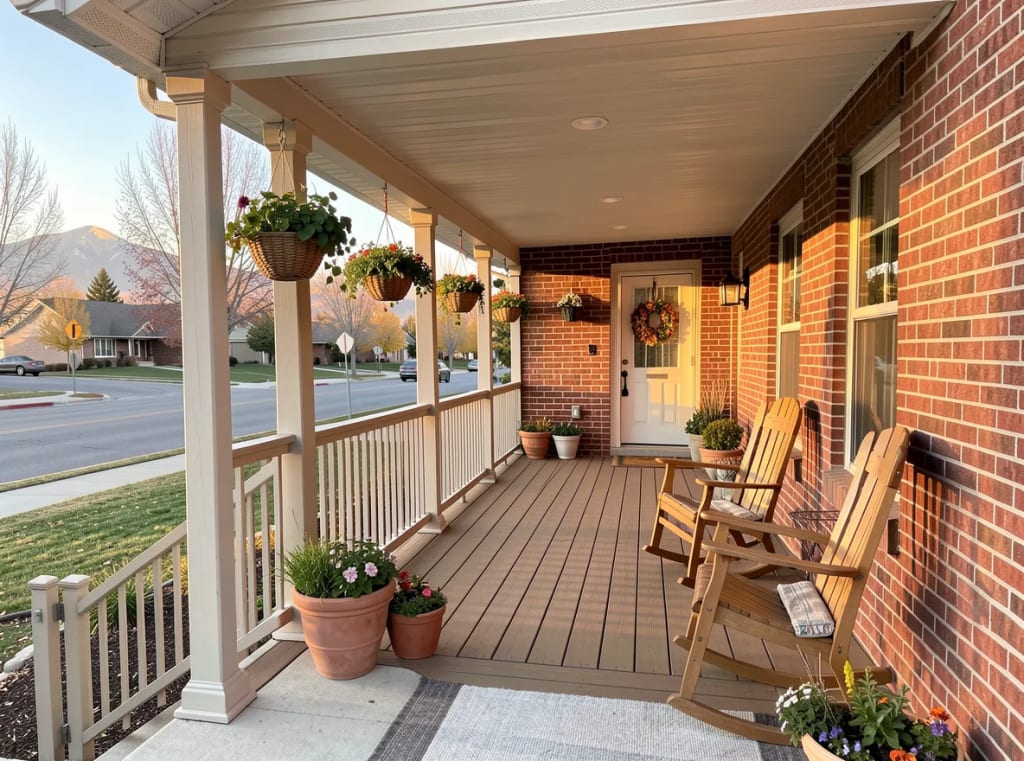
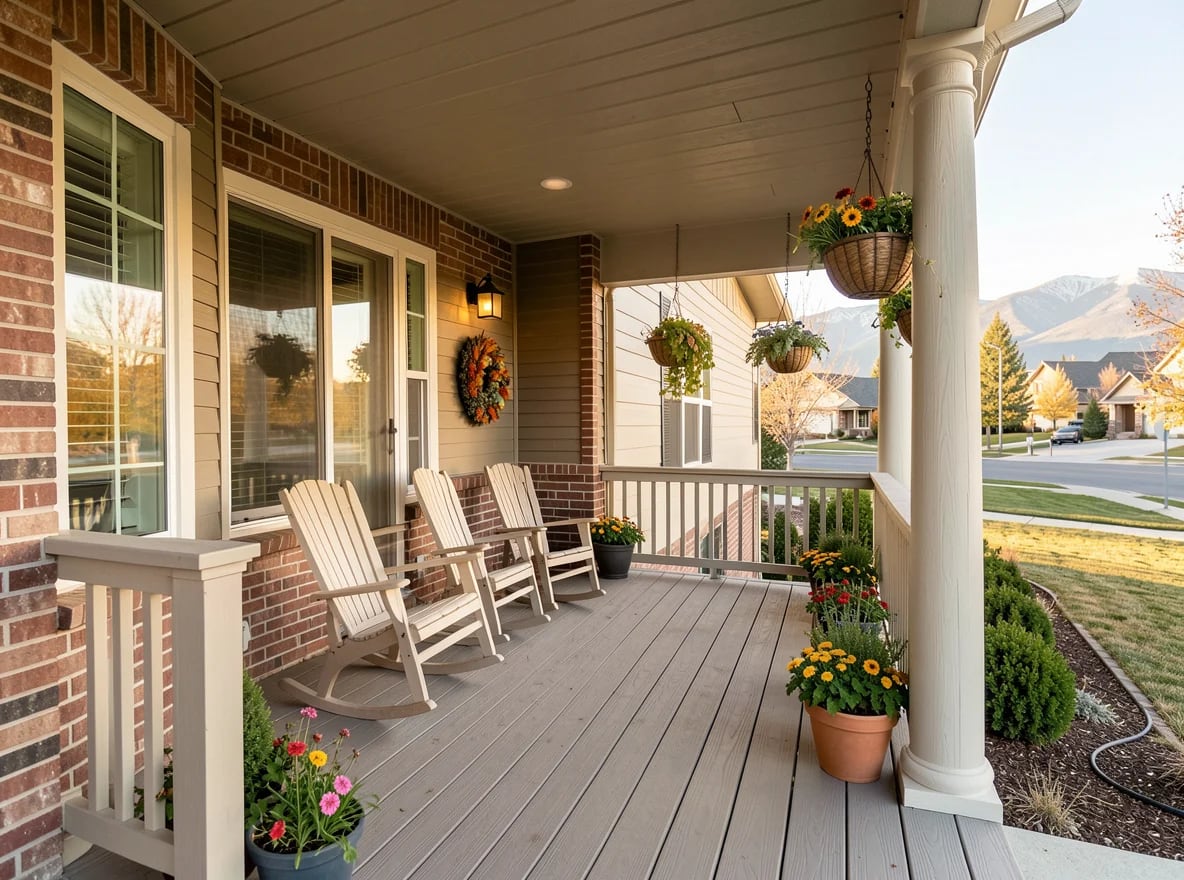
If you are selling in Salt Lake City while comparing the market with Park City, start with presentation and pricing. Clean up the entry, refresh paint where needed, and make sure the front porch, walkway, and landscaping feel inviting, since many Salt Lake City buyers are weighing older brick neighborhoods, newer townhomes, and commute-friendly locations side by side.
Pricing matters just as much. Salt Lake City often appeals to buyers who want urban convenience, wider neighborhood choice, and easier access to downtown jobs, shopping, and daily services than Park City. A well-priced home can stand out by emphasizing practical value, mountain access, and proximity to parks, transit routes, or established residential streets. Before listing, review recent comparable sales and current competition so your home enters the market with a realistic strategy instead of chasing price reductions later.
Sign in with your email address
You’re being redirected to the page with listing data.